
Parts of an Acoustic Guitar.

When you first decide to learn how to play guitar there are quite a few things to learn. Dont worry, after this post you will at least know what all the thingamabobs on there do.
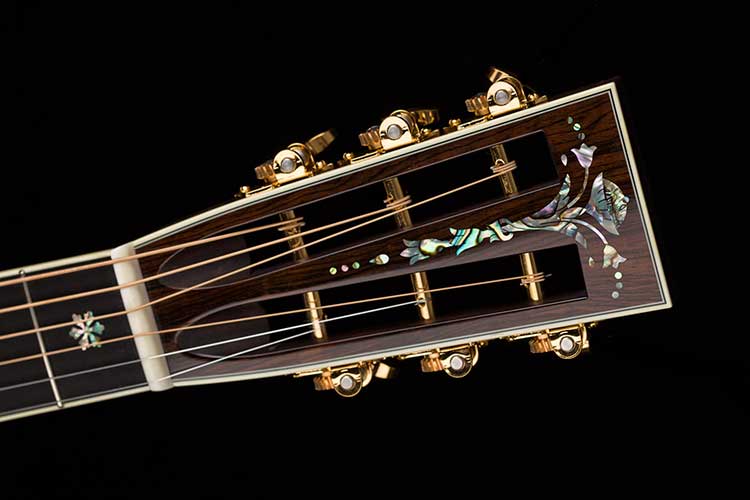
We are going to start at the top of the guitar and work our way down. The very top of our guitar is called the headstock. Headstocks can be solid or slotted, solid is most common for new manufactured guitars and slotted is more common on vintage guitars; though you can still get both. The headstock is where the machine heads or tuning heads are attatched. There are a couple of different styles you may see. They work a little bit differently to achieve the same goal. What I have on my example here is called a sealed machine head. They’re pretty self explanatory because they are closed. The other most common kind are side attatched and you see those on the slotted headstocks and they’re in a strip, there are a total of six types of tuning heads but they all fall under the sealed tuning head and vintage tuning head categories. On the top of the headstock the tuning head attatches to the tuning peg which is where the strings attatch to the machine head, the string will wrap around several times for tuning, there has to be about 3 wraps or you won’t have slack to tune.
At the top of the fretboard we have the nut which holds the strings the right distance apart and the right height off the fretboard. The material that the nut is made out of can effect the tone of your guitar. There are a few examples of materials these can be made of are; a type of plastic, a synthetic tusk called tusq and brass. This is just one point of alignment along the length of the strings.


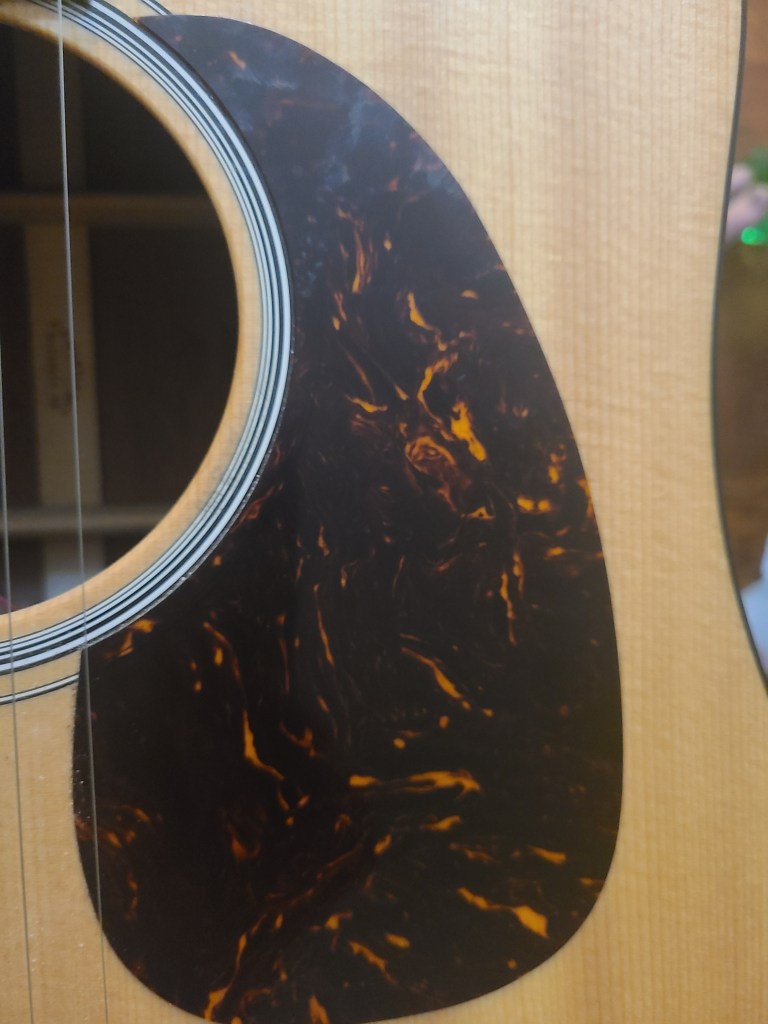
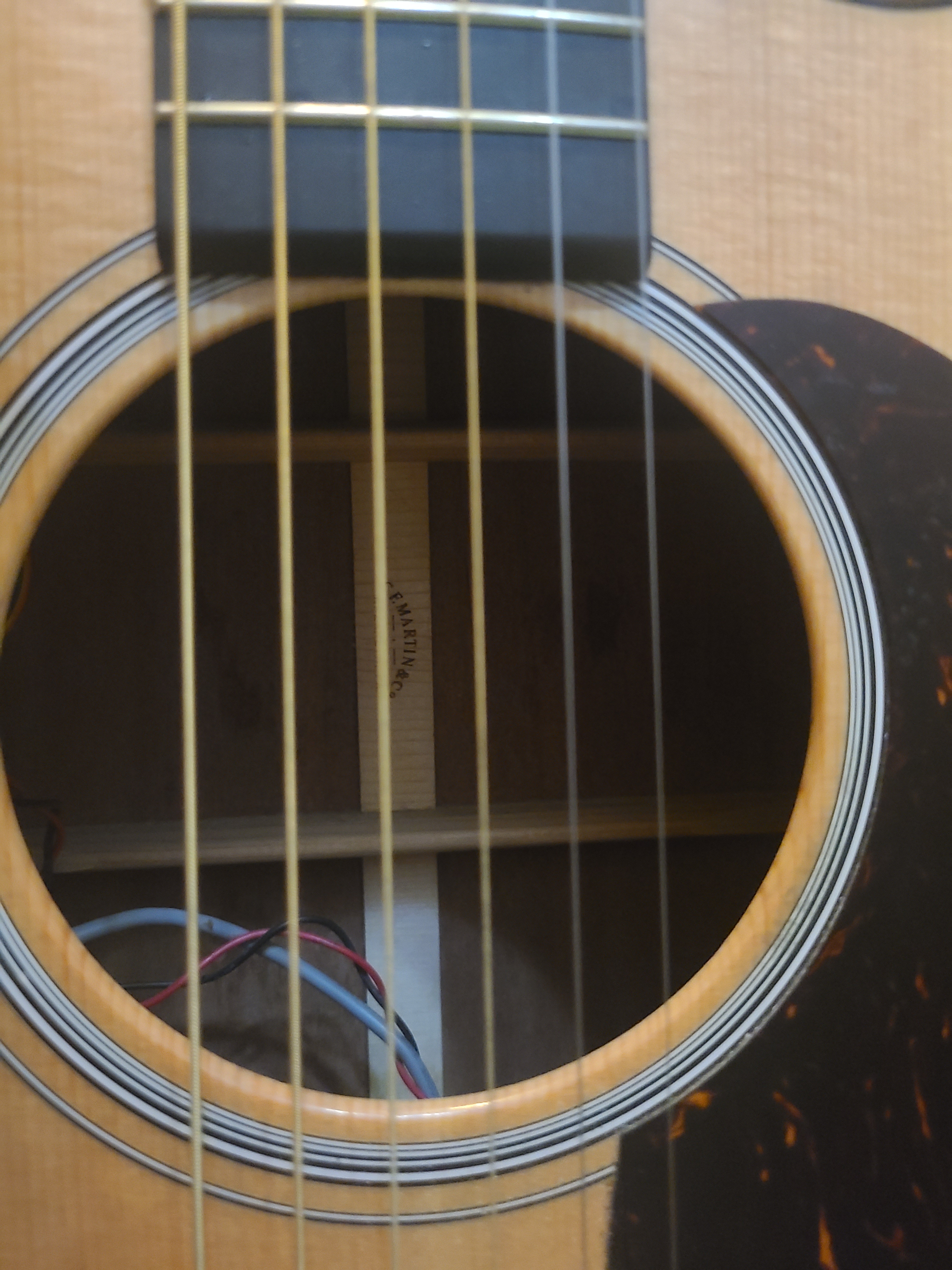
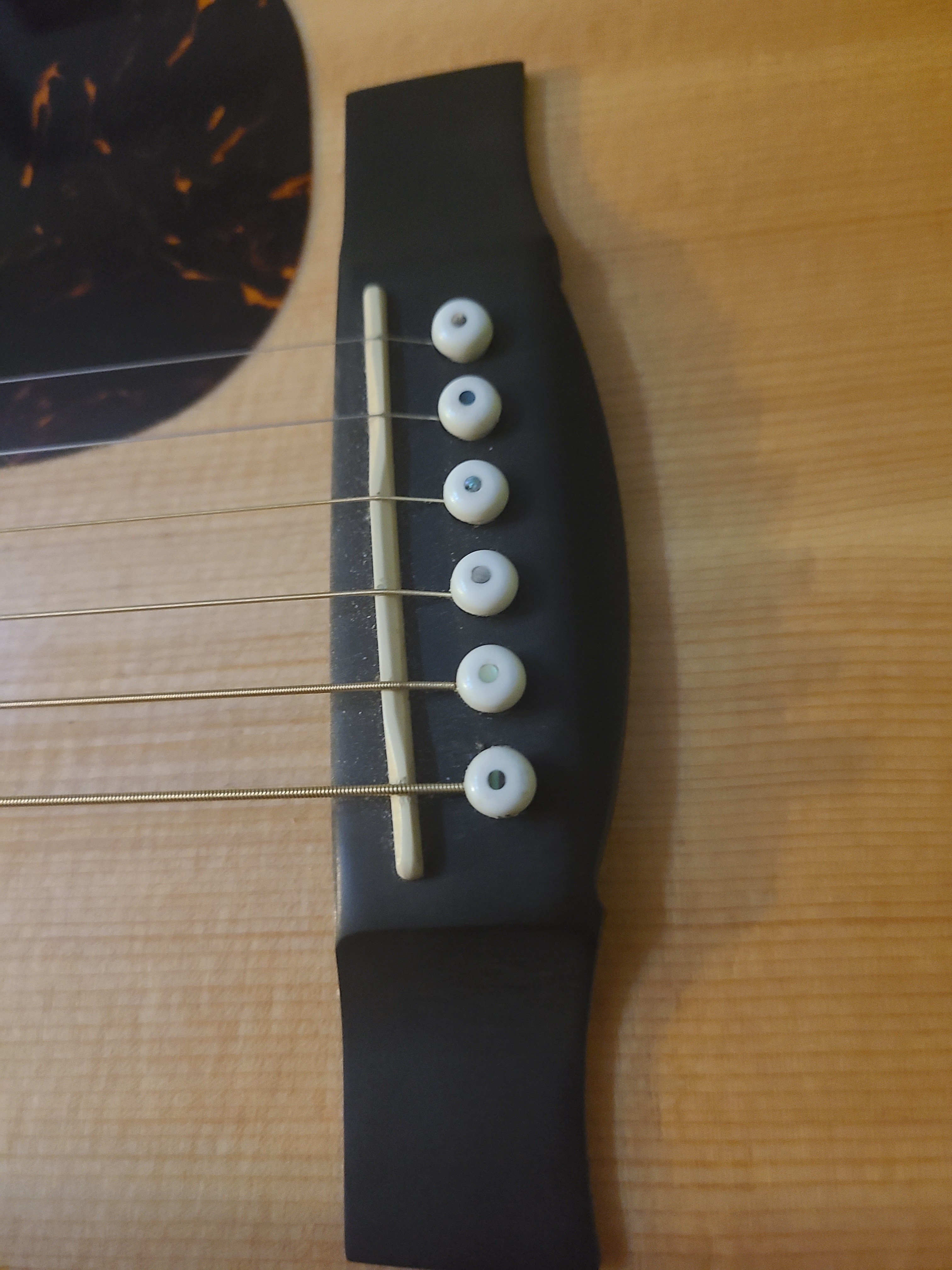
On the main part of the body there are quite a few things to talk about. We have the face of the guitar. That is the large flat piece of wood on the top of the guitar. In the face of the guitar is the sound hole over which the strings travel from the headstock of the guitar over the saddle to the bridge and they are then secured in with the cleverly named bridge pins. The wood that is used for guitars is called tonewood. These are woods that resonate your guitar may have different tone-woods for the front sides and back for example; maple, mahogany and rosewood are tonewoods.
The sound hole of the guitar allows the sound to project out of the hollow inside of the guitar. The saddle is usually made out of the same material as the nut and is the second point of alignment for the strings it positions the strings so they can resonate. The strings go into the holes in the bridge and are fastened in with bridge pins. Around the outside edges of my example guitar is the binding. Not all guitars have binding but it acts as a bumper for drops and bumps on the edge of your guitar and is usually made of stronger material than the wood of your guitar.
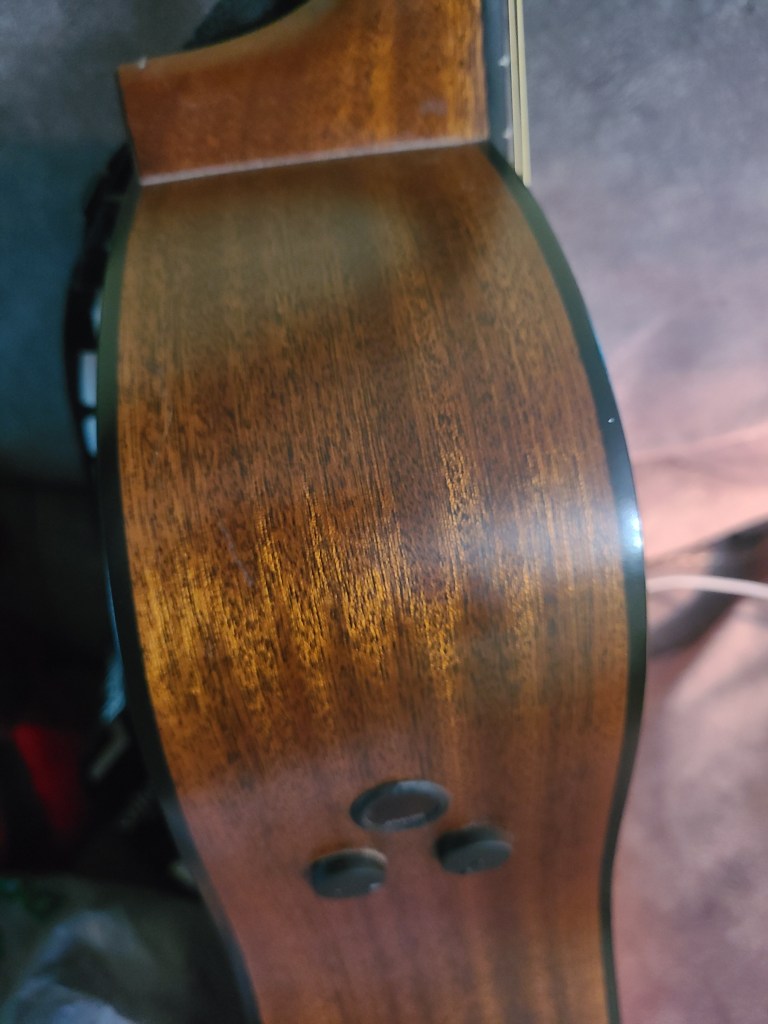
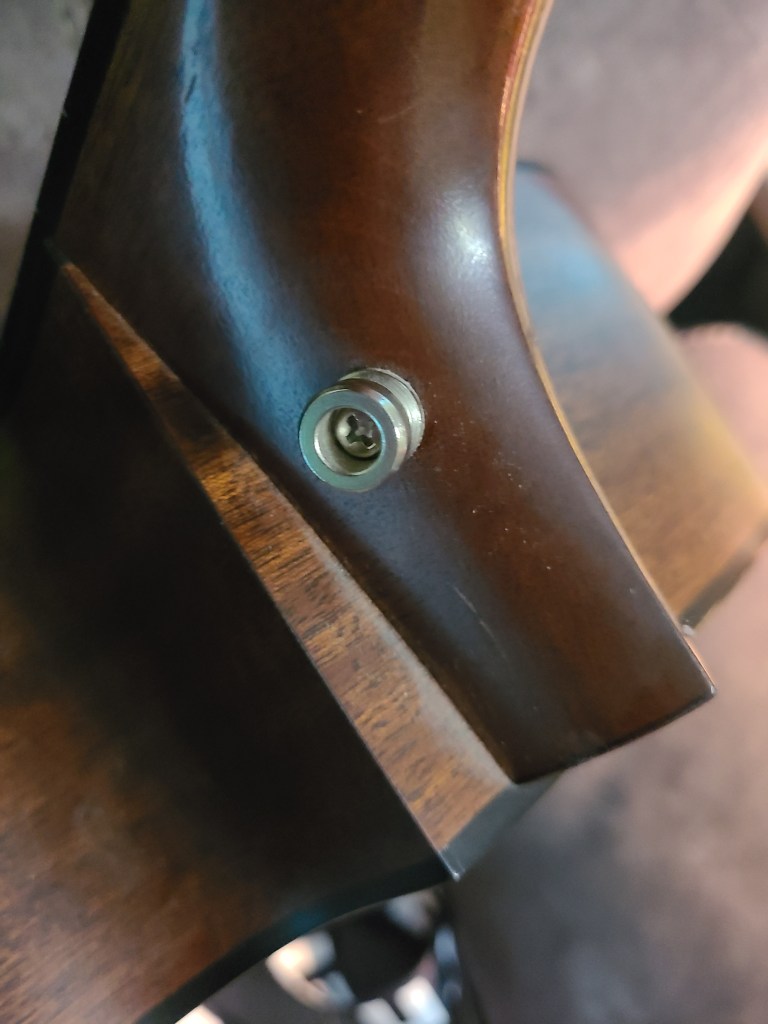
This is not an exclusive list of all of the specific names of all parts of the guitar, it is a simple identifier for key parts of the guitar. I intended this post for the absolute beginner.
I hope that you learned a little something about your instrument today, I have more guitar posts for beginners coming. I remember when I was first learning I had a hard time finding the information that I wanted and I didn’t even know what I was searching for. Thanks for reading!







 MusicGroove